How to Hack Your Orlando Vacation To Save the Most Money

You know that moment when you price out an Orlando trip and think, “Okay… this is expensive, but manageable”?
Then suddenly everything—from hotels to skip-the-line passes that can hit $150+ per day for a family—feels like it doubled overnight. That’s not your imagination.
With new parks like Universal’s Epic Universe driving demand, Orlando in 2026 rewards people who plan strategically and quietly punishes those who don’t.
The good news? The difference between overspending and doing the exact same trip for thousands less comes down to a handful of very specific decisions.
Let’s break down where things go wrong and how to fix them without sacrificing the fun!
Timing: The Decision That Controls Everything
The biggest mistake most people make is choosing dates based on convenience instead of cost.
In Orlando, your travel dates don’t just affect crowd levels. They control ticket prices, hotel rates, and even Lightning Lane (Disney’s paid skip-the-line system) costs all at once.
That means a Saturday in July isn’t just busier—it’s more expensive across every category.
The difference can be dramatic, with peak-day tickets jumping from around $130 to $180+ for the exact same park experience.
Add in higher hotel demand and pricier add-ons, and your entire trip budget inflates instantly.
The fix is surprisingly simple: shift your trip into lower-demand windows whenever possible.
Mid-January through early March, late August through September, and early November consistently offer the best value.
Pair that with a Sunday-to-Friday stay to hit the lowest-cost park days—Tuesday through Thursday—and you’ll feel the difference everywhere from shorter lines to cheaper tickets.
If you’re tied to school schedules, aim for late August (just before Labor Day) or early November. These are the closest things to “low crowd” windows during peak travel seasons.
If your schedule has even a little flexibility, this is the single highest-impact decision you can make.
Accommodation: When “Cheap” Hotels Cost More
That $120-per-night hotel deal looks like a win until the math catches up.
Add $35 daily parking, plus $20–$30 rideshares each way to the parks, and suddenly you’re spending closer to $180–$200 per day.
Over a week, that gap becomes hundreds of dollars you didn’t plan for. And that doesn’t even include the lost time dealing with traffic, parking lots, and drop-off zones.
The smarter move is choosing hotels that eliminate those extra layers.
- Staying at Disney’s All-Star Sports Resort® or Disney’s All-Star Music Resort® includes free transportation and Early Theme Park Entry, which saves both time and money.
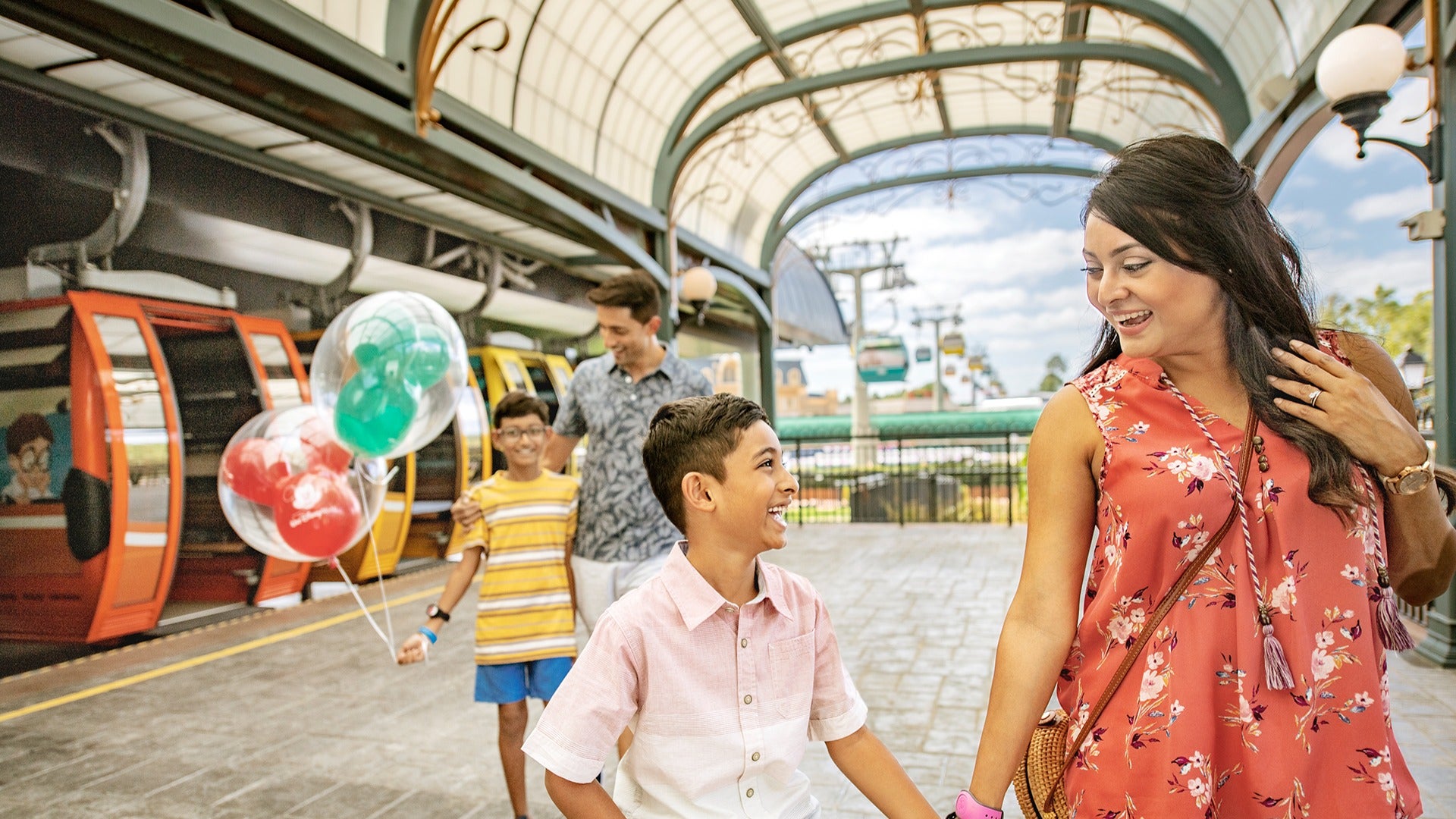
- Disney’s Pop Century Resort® adds Skyliner access, making park hopping between EPCOT® and Disney’s Hollywood Studios® feel effortless.
- On the Universal side, Endless Summer Resort’s Dockside Inn and Suites or Surfside Inn and Suites offer early access without premium pricing.
- For food savings, properties like WorldQuest Orlando Resort, Magic Village Yards, and Westgate Vacation Villas Kissimmee give you full kitchens, making it easy to cut daily meal costs.
- Hotels like Buena Vista Suites Orlando or Best Western Plus Orlando Lake Buena Vista South include free breakfast, quietly removing one major expense per day without extra effort.
- If you want to get strategic, booking just one or two nights at Loews Royal Pacific Resort can unlock Express Pass for your entire stay window—often saving more than buying it separately.
Express Pass is Universal’s paid skip-the-line system that lets you use a shorter “Express” queue at participating rides without reserving times in advance.
It’s most valuable on high-wait attractions like Hagrid’s Magical Creatures Motorbike Adventure™, Harry Potter and the Forbidden Journey™, and Jurassic World VelociCoaster™.
Ticket Strategy: The Expensive Mistake Most People Make
Buying single-day tickets seems flexible, but it’s one of the most expensive ways to experience Orlando.
The per-day price drops significantly the more days you add, meaning short-sighted ticket planning can cost hundreds more for the same trip.
Most first-timers buy 2-day tickets thinking they’re saving money—then realize too late they paid more per day.
The solution is committing to multi-day tickets upfront. A 4–7 day ticket dramatically lowers your daily cost and gives you breathing room to enjoy the parks without rushing.
Moreover, Universal’s Park-to-Park Ticket lets you move between parks on the same day (required for experiences like the Hogwarts™ Express).
Meanwhile, Disney’s Park Hopper works similarly by allowing you to visit multiple parks per day—usually after 2 PM—without needing separate tickets.
For Universal, the 3-Day Park-to-Park Ticket covering Universal Studios Florida, Islands of Adventure, and Epic Universe offers the best value.
Platforms like Tripster can help you compare and lock in these multi-day options at competitive rates, especially if you’re bundling multiple attractions.
As for Park Hopper, it’s not always necessary. If your trip is shorter or you prefer a relaxed pace, sticking to one park per day saves money without sacrificing experience.
But for longer stays—especially when using the Skyliner—it can add flexibility that’s worth the cost.
Food: The Budget Leak No One Notices
Food is where budgets quietly fall apart. It doesn’t feel like a big expense at the moment—just a quick lunch here, a snack there—but by the end of the day, families often spend $150–$250 without realizing it.
That’s $1,000–$1,500 over a week just on food. It adds up faster than almost any other category.
The easiest fix is planning ahead before you even arrive. Grocery delivery services can stock your room with water, breakfast items, and snacks for the price of a single park meal.
Staying somewhere with a kitchen (or at least a fridge) lets you handle simple meals without sacrificing convenience. Even replacing one meal per day can save hundreds over a week.
Inside the parks, small strategies add up. Refillable popcorn buckets at Universal and resort mugs at Disney offer long-term savings if you actually use them.
Lounges like Nomad Lounge at Disney’s Animal Kingdom® Theme Park or BaseLine Tap House at Disney’s Hollywood Studios serve high-quality food at lower prices than full-service restaurants.
And stepping off-property to areas like International Drive or Restaurant Row gives you better meals at noticeably lower prices.
For example, grab a build-your-own burger and bottomless fries at Shake Shack on International Drive.
Or order the truffle fries and filet medallions at The Capital Grille on Restaurant Row for a more upscale but still better-value dinner than most in-park options.
Add-Ons: The Hidden “Nickel-and-Dime” Costs That Add Up Fast
This is where Orlando budgets quietly fall apart—not on big-ticket items, but on small, constant purchases that don’t feel expensive in the moment but add up quickly.
Orlando’s parks are full of these tiny add-ons, and while each one feels minor, they can easily turn into a few hundred extra dollars over a full trip.
- Rain ponchos and umbrellas are a common one, since sudden storms make it easy to spend $8–$12 per person unless you bring your own ahead of time.
- Stroller rentals can quietly add $15–$30 per day, making it much cheaper to bring a lightweight stroller or book a multi-day rental instead.
- Skip-the-line upgrades like Lightning Lane at Disney or Express Pass at Universal can significantly increase daily spending if used every day instead of selectively.
- Souvenirs and photo purchases are where impulse spending takes over, making it easy to overspend without a clear budget set in advance.
The simplest way to control all of this is deciding ahead of time what you’ll bring, what you’ll skip, and where you’re willing to spend.
Transportation: The Cost You Don’t Need
Rental cars feel like the default choice, but they’re often unnecessary and expensive.
Between daily rates, gas, tolls, and $30–$35 parking fees at the parks, costs stack quickly.
Many travelers spend $300–$500 on a rental car they barely use. For many, it ends up being more hassle than help.
If you’re staying on-property or near Disney Springs Area, skip the rental entirely and use built-in transportation.
For International Drive, the I-Ride Trolley offers unlimited daily rides for around $8, covering major attractions like ICON Park, SEA LIFE Aquarium, and WonderWorks.
Public options like the Lynx bus system also exist for budget-conscious travelers who don’t mind a bit more planning.
If you do rely on rideshare, timing matters. Avoid peak hours like park closing or stormy afternoons to keep prices down.
Leaving a park 30–45 minutes before closing can cut your Uber cost in half compared to peak exit times.
Shopping: Souvenirs Without the Regret (Where to Shop Smart in Orlando)
This is where your budget quietly takes a hit because everything feels small in the moment.
One t-shirt here, a pair of ears there, and suddenly you’re way over what you planned.
The good news? You don’t have to skip souvenirs. You just have to be smarter about where you buy them.
If you want the same (or very similar) items without the theme park markup, these are your best options:
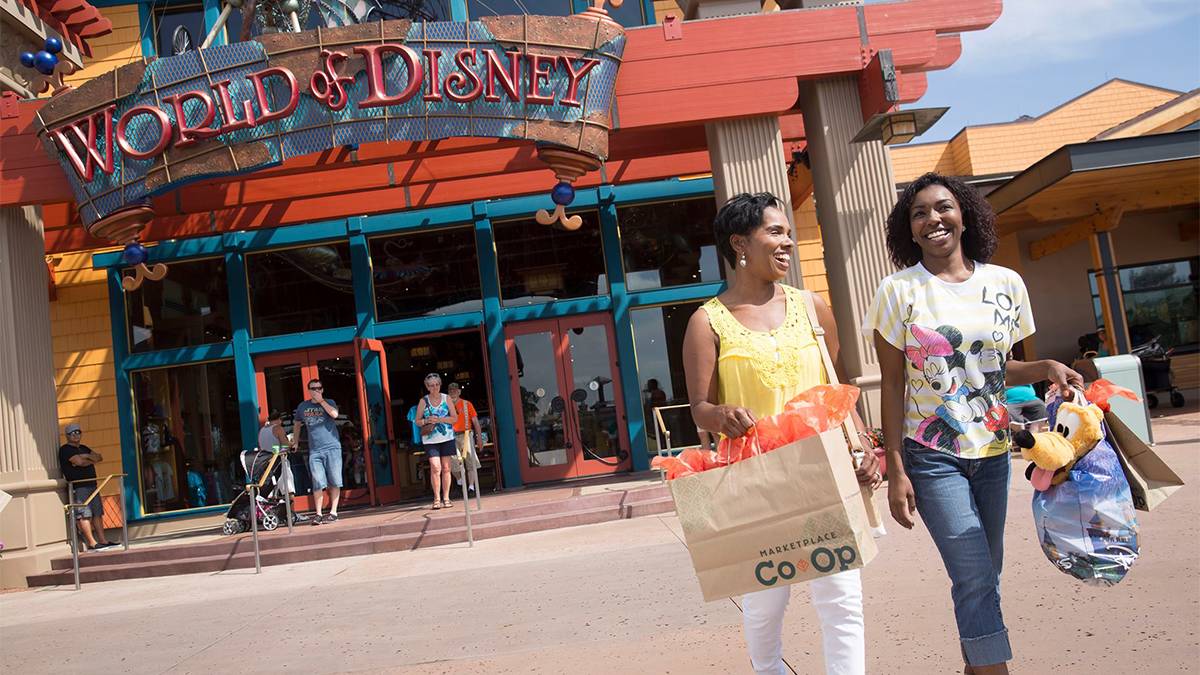
- Disney’s Character Warehouse (Vineland & International Drive): This is the go-to for discounted official Disney merch—basically leftover park inventory at much lower prices. Think shirts, ears, and random finds that feel like a win when you spot them.
- International Drive / US-192 Gift Shops (Majestic Gifts, Florida Gifts, etc.): These roadside shops are everywhere and perfect for bulk souvenirs—magnets, plushies, and shirts at noticeably lower prices. Quality varies, but for kids or casual gifts, it gets the job done.
- Orlando Premium Outlets (Vineland & International Drive): A more organized shopping option with outlet pricing on brands, Florida-themed gear, and occasional Disney-adjacent items. Good if you want variety without hopping between stores.
- Local Shops (Downtown Orlando – FreeHand Goods, Orange Ave boutiques): Best for something different—Florida-inspired designs, prints, and gifts that don’t feel like typical theme park merch.
The easiest option will always be buying inside the parks, but it’s also the most expensive.
A quick stop at any of these places can cut your souvenir budget by 30–50%, which makes a bigger difference than most people expect.
The “One Splurge” Rule That Keeps Everything Balanced
Trying to save money everywhere usually backfires. Either you end up stressed, or you cave mid-trip and overspend anyway.
The better approach is choosing one experience that’s worth the extra cost and being intentional about everything else.
That could be a character meal at Topolino’s Terrace, one day of Universal Express Pass, or premium fireworks viewing. Pick this before your trip—not mid-trip when everything feels tempting.
When you build your trip around one meaningful splurge, everything else becomes easier to manage.
Another smart move? Use the most expensive park day as a rest day.
When ticket prices and crowds peak, enjoy your hotel pool, explore resorts, or visit Disney Springs Area instead.
Then save your park energy (and money) for lower-cost, lower-crowd days.
This one shift alone can save hundreds while making your trip feel noticeably less exhausting.
Free Experiences That Still Feel Magical
One of the biggest misconceptions about Orlando is that everything requires a ticket. That’s simply not true—and missing this is how people overspend unnecessarily.
There are entire experiences that deliver the Disney atmosphere without the Disney price tag.
Disney Springs® Area is the easiest example. No admission, no parking fee (with resort transport), and plenty of entertainment, dining, and atmosphere.
Resort hopping is another underrated move. You can explore places like Disney’s Polynesian Village Resort®, watch animals at Disney’s Animal Kingdom Lodge®, or listen to live music at the Disney’s Grand Floridian Resort & Spa®—all without a park ticket.
Even fireworks don’t require a ticket if you plan it right. Watching Happily Ever After from the Polynesian beach gives you the full experience without the crowds or cost.
These are perfect for arrival days, rest days, or your most expensive park day.
On non-park days, spots like Lake Eola Park or the Winter Park Farmers Market offer a completely different pace and give your wallet a break without sacrificing enjoyment.
Low-Cost Attractions That Still Feel Worth Leaving the Hotel For
If you still want something ticketed that feels fun, memorable, and a little “special” without committing to full theme park prices, Orlando has plenty of options (prices subject to change) that hit that sweet spot.
- The Orlando Eye: Starts at $31.61 per person on Tripster and still gives you that big “wow” moment, especially at night when the city lights and theme park glow kick in.
- Museum of Illusions Orlando: Comes in at $26.99 per person, with over 50 exhibits that feel more like a playful, mind-bending attraction than a traditional museum.
- Ripley’s Believe It or Not! Orlando: Starts at $26.14 per person, making it one of the easier indoor picks when you want something weird, quirky, and low-effort.
- Ripley’s Mirror Maze Orlando: Even cheaper at $15.99 per person, which makes it a great add-on if you want something quick, chaotic, and kid-friendly.
- Crayola Experience: Starts at $25.54 per person, and for families with younger kids, it’s one of the better-value indoor options since there’s enough hands-on stuff to fill real time.
- Gatorland: Starts at $28.81 per person, which is a strong value if you want something distinctly Florida without spending full theme park money.
- SEA LIFE Orlando Aquarium: Starts at $27.29 per person, and while it’s not a full-day attraction, it works well as a compact “wow” stop that still feels immersive.
These are the kinds of experiences that let you keep the “we still did something cool today” energy without blowing another $150–$200 per person.
They work especially well on arrival days, rest days, rainy afternoons, or anytime your group wants something fun without the full theme park commitment.
Pro Tip: If you’re planning to mix lower-cost attractions, the Go City Orlando Explorer Pass can quietly save you money while keeping your schedule flexible for up to 30 days after first use. Save up to 50% compared to buying individual tickets, especially if you plan to visit at least 2–3 spots.
Make Your Budget Work for You—Not Against You
Orlando isn’t expensive by default, it only becomes expensive when you don’t plan for how it works.
The biggest savings come from timing your trip well, choosing the right hotel, committing to multi-day tickets, and controlling food and transportation costs before they spiral.
Booking vacation packages through platforms like Tripster can help simplify this by bundling attractions, shows, and hotels together, saving you both time and money.
The goal isn’t to spend less—it’s to spend smarter so every dollar actually improves your experience instead of just covering avoidable costs.
Start planning smarter now and enjoy every moment of your trip without second-guessing a single decision!
Orlando Budget FAQs
Is staying on-site at Disney or Universal worth it?
It can be, especially when you factor in free transportation and early park access. In many cases, it offsets parking and rideshare costs you’d pay staying off-site.
How much can I save by planning my Orlando trip properly?
With smart planning, families can often reduce costs by $1,500–$2,500 on a week-long trip. The biggest savings come from timing, tickets, and avoiding hidden daily expenses.
Are multi-day tickets really cheaper than single-day tickets?
Yes, the cost per day drops significantly as you add more days. Many travelers end up paying more by buying fewer days at a higher per-day rate.
How can I save money on food at Walt Disney World® Resort and Universal?
Planning ahead with groceries and replacing even one meal per day can save hundreds over a trip. Using refillable options and eating off-property occasionally also reduces costs.
Do I need a rental car in Orlando?
Not always—especially if you’re staying on Disney property or near Disney Springs® Area with transportation included. Many travelers overspend on rental cars they barely use.
What are free things to do in Orlando near Disney?
Disney Springs® Area, resort hopping, and watching fireworks from nearby resorts are all free experiences. They’re perfect for rest days or breaking up expensive park days.
Is it worth paying for Express Pass or Lightning Lane?
On busy days, these can save hours of waiting and significantly improve your experience. If wait times exceed 60 minutes for major rides, they’re often worth the cost.
How do I avoid overspending on an Orlando vacation?
Plan your biggest expenses upfront and build in a buffer for daily costs like food and transport. Focusing on one planned splurge and cutting unnecessary extras keeps your budget under control.
