Your Emotional Support Guide to Visiting Orlando for the First Time

Planning your first Orlando trip can feel like a full-time job—tickets, apps, dining reservations, timing strategies, and somehow packing for both heat and rain at the same time.
You are probably thinking you need to master everything before even stepping on the plane, which honestly just made it more stressful.
The reality is, you don’t need a perfect plan to have a great trip, but you just need a workable one.
Once the logistics are handled, the fun part shows up fast. Stick with our guide, and you’ll see it’s a lot more manageable than it feels right now. Read on!
Break the Planning Into Simple, Doable Steps
Start Early, But Not All at Once
The biggest mistake I see (and honestly, I’ve done this too) is trying to plan the entire trip in one sitting—it’s the fastest way to feel overwhelmed.
It’s much easier to treat your Orlando trip like a timeline instead of a giant checklist:
- 11–12 months out: Start by booking your flights and hotel, since these two decisions shape your entire trip and pricing can fluctuate the most here. I always like to lock this in early so everything else feels more grounded and less rushed.
- 60 days out: Download the My Disney Experience and Universal Orlando apps and spend time learning how they work before your trip. This is also a great time to start booking attractions and shows through Tripster, so everything is organized in one place before you arrive. Make dining reservations for any table-service restaurants at Walt Disney World® Resort as soon as your 60-day window opens. The popular spots go fast, so I treat this step like grabbing concert tickets—set a reminder and don’t wait.
- 30 days out: Purchase Lightning Lanes or Universal Express Passes if needed, check event calendars for your exact travel dates, and finalize your day-by-day park plan. This is where everything comes together, and having it organized ahead of time makes the trip feel effortless once you arrive.
When you space it out like this, everything feels manageable instead of chaotic.
Set Expectations on Budget and Timing
Just to set expectations, most families spend about $150–300 per person per day once you factor in tickets, food, and transportation.
Planning ahead isn’t just about convenience; it’s about staying on budget, too.
If you have any flexibility at all, I’d avoid peak summer and Christmas and aim for late April to early May or early September instead.
I’ve found those windows give you the best mix of lower crowds, better prices, and weather that doesn’t feel like you’re walking through soup.
Choose a Hotel That Makes Your Trip Easier
Universal’s Cabana Bay Beach Resort
Where you stay in Orlando affects everything—from how you get to the parks to how much energy you have left at the end of the day.
I’ve found that the right hotel can quietly make the entire trip smoother, while the wrong one adds stress you didn’t plan for.
Universal’s Cabana Bay Beach Resort
Cabana Bay is one of those places where I’ve thought, “I could honestly stay here and still feel like I had a vacation.”
The pools, lazy river, and early access perks make it a strong value without feeling like a compromise.
Disney’s Pop Century Resort
If you want convenience without paying premium prices, Disney’s Pop Century Resort is the move. The Skyliner alone makes getting to parks feel less like transportation and more like part of the experience.
International Drive Hotels
If you’re splitting time between parks, staying centrally along International Drive can save a lot of back-and-forth stress.
Just know you’ll be trading convenience perks for flexibility, which can still be worth it depending on your plan.
For first-timers, I’d look at centrally located, reliable options like Fairfield Inn & Suites Orlando International Drive/Convention Center or Embassy Suites by Hilton Orlando International Drive ICON Park.
If you want something with a bit more space and comfort, Hyatt Place Orlando / I-Drive / Convention Center is another solid pick that keeps things simple without blowing the budget.
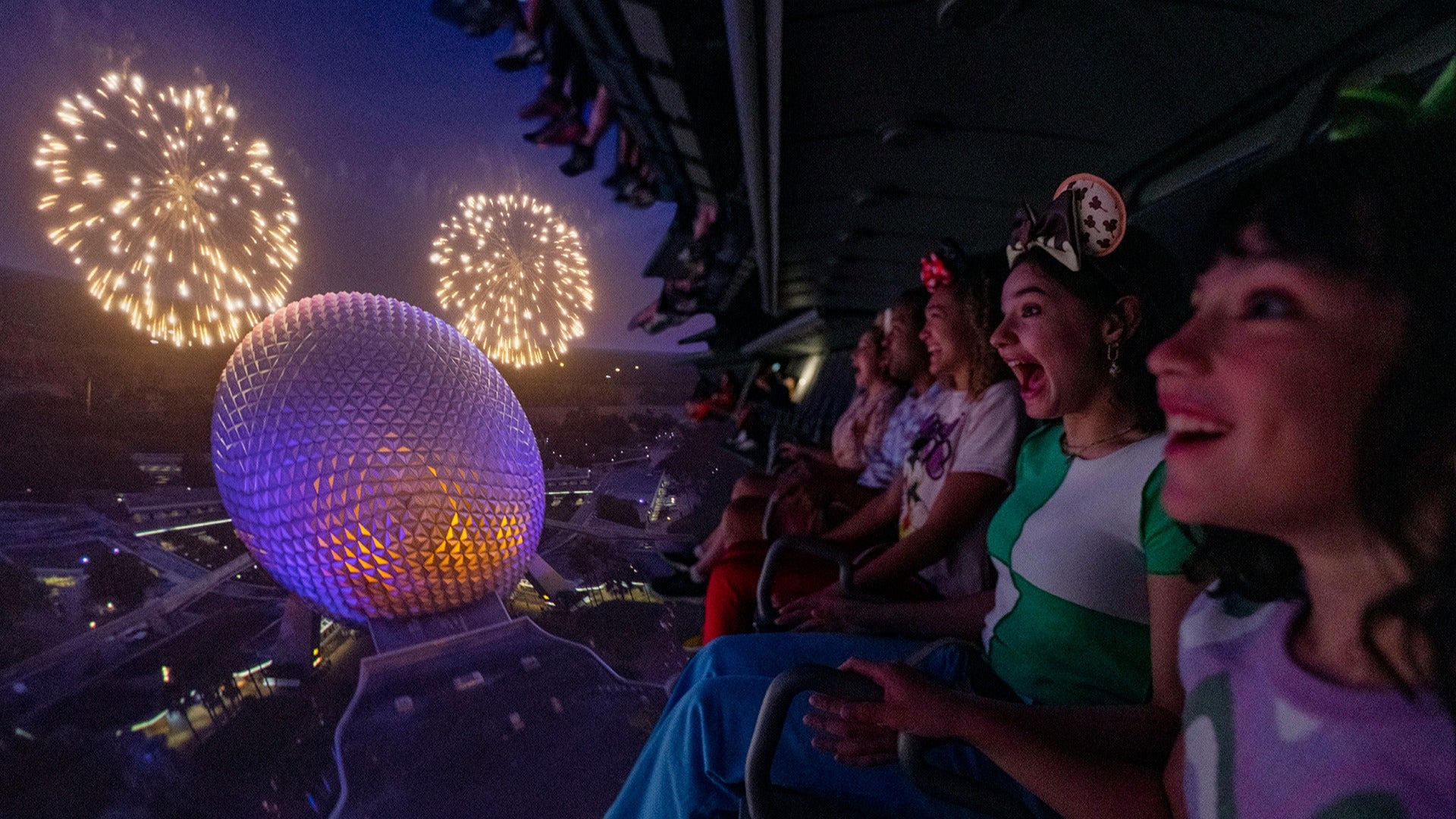
Pack for Comfort, Not for Instagram
What Actually Matters in the Parks
You will walk more than you expect, and I say that as someone who thought they were prepared—15,000 to 20,000 steps a day is very real.
Broken-in walking shoes (not brand-new sneakers or flimsy flip-flops), lightweight clothing, and rain gear matter way more than having the “perfect outfit,” especially once the heat and humidity kick in.
I’d also skip heavy fabrics like denim and go for quick-dry, moisture-wicking clothes, because getting caught in a Florida downpour and staying damp for hours is not the vibe.
Small Items That Make a Big Difference
Physical misery is the fastest route to a full-on theme park meltdown, and the small items are what keep that from happening.
A portable fan, cooling towel, refillable water bottle (you can get free ice water at Quick Service spots), and basics like blister sticks, moleskin, and anti-chafing cream can genuinely save your day.
I always toss in a cheap poncho from a grocery store too—it costs a couple bucks ahead of time and saves you from paying triple when the afternoon rain hits.
If you want a full breakdown of exactly what to bring (and what to skip), check out our complete packing guide.
It’s the kind of list I wish I had the first time I packed for Orlando and realized halfway through the day I forgot half the things that actually matter.
Make a Plan Without Trying to Do Everything
The Rule of Three
Pick two or three non-negotiable experiences per park day and treat everything else as optional.
I like to lock in at least one of those in advance—like Drawn to Life Presented by Cirque du Soleil® & Disney or a themed dining experience inside the parks—so I know the day already has a clear highlight built in.
Once those are done, everything else feels like a bonus instead of something you’re falling behind on.
Rope Drop vs. Sleeping In
Arriving 45–60 minutes before opening—rope drop—gets you on the biggest attractions with minimal wait, which is hard to beat.
But if waking up that early sounds miserable, showing up shortly after opening still puts you ahead of peak crowds without turning your vacation into a boot camp.
The Midday Exit
Leave the park between 1–3pm when crowds and heat peak at the same time.
Use this window to reset at the hotel or switch gears completely—like catching an indoor show such as The Outta Control Dinner Show or heading to something air-conditioned and low-effort.
It breaks up the day in a way that actually gives you energy back.
The 120-Minute Line Rule
If you see a 120-minute wait and your energy is already low, skip it without overthinking.
Eat Smarter, Not Longer
Skip the Food Lines
Mobile ordering is one of those things that feels like a hack once you use it. Ordering while in line for a ride and walking straight to pickup feels almost unfair compared to waiting in a 40-minute food line.
Mix Convenience With Experience
Quick-service meals save time, but I still like to plan one or two memorable dining experiences.
For a first trip, I’d choose a themed restaurant inside the parks—like Be Our Guest Restaurant at Magic Kingdom® Park or Mythos Restaurant at Universal Islands of Adventure—just to experience how immersive Orlando dining can be.
I also recommend planning a relaxed dinner at Disney Springs® or Universal CityWalk, where you can enjoy great food without the pressure of ride schedules.
And if you’re looking for a break from theme park pricing, a night out along International Drive or in Winter Park offers better value and a completely different vibe.
Pro Tip: Do a quick grocery run on arrival for breakfast, snacks, and drinks—you’ll easily save $50–80 over the week, especially since most theme park portions are big enough to share.
Build in a Real Rest Day
Why You’ll Need It More Than You Think
After two park days, everything starts to feel heavier—your feet, your patience, even your excitement. Taking a full day off resets everything and makes the rest of the trip better.
What to Do Without a Park Ticket
Just 20 minutes from the main tourist corridor, Winter Park feels like a completely different version of Orlando—in the best way.
I always recommend the scenic boat tour, a stroll down Park Avenue, and a slow coffee break here, because it’s the kind of reset day that people end up calling their favorite part of the trip.
If you want a night out without committing to a full park day, say less. Both Disney Springs® and Universal CityWalk are free to enter, packed with live music, great restaurants, and enough atmosphere to still feel like you’re in the middle of the action—just without the lines.
Moreover, one of the most underrated things you can do in Orlando is explore the resorts themselves.
Hop on the Disney Skyliner or the Disney monorail, wander through places like Disney’s Animal Kingdom Lodge, and treat it as a relaxed afternoon filled with great food, drinks, and beautiful surroundings—no park ticket required.

When Things Don’t Go According to Plan
Expect a Few Curveballs
Things will go wrong—it’s part of the Orlando experience, whether anyone admits it upfront or not.
A ride will be down, the rain will last longer than the app said, or someone in your group will hit a wall right before the fireworks you waited all day for.
I’ve seen all of it, and honestly, every first-time visitor goes through some version of this.
How to Recover Without Stress
The difference is how you handle it: have one indoor backup option in mind before each park day, keep snacks on hand (because hunger makes everything worse), and give yourself permission to skip things.
I’ve found that the best memories usually come from the moments that didn’t go exactly to plan anyway.
You Really Don’t Have to Do It All
Your first Orlando trip doesn’t need to be perfect to be unforgettable—it just needs to be paced in a way that works for you.
The key is focusing on a few great experiences instead of trying to check every box.
Tripster makes that easier by helping you organize vacation packages, Orlando attractions, shows, and hotels in one place, so the planning feels less overwhelming from the start.
Take a breath, trust your plan, and go enjoy it—you’ve got this!
Orlando Planning FAQs
How many days do you need for your first Orlando trip?
Most first-time visitors need at least 5 to 7 days to experience the major parks without rushing. This allows time for rest days and at least one non-park activity.
Should I stay on-site or off-site in Orlando?
Staying on-site offers convenience like free transportation and early park entry. Off-site hotels are usually more affordable and give you flexibility, especially if visiting multiple parks.
Do I need a car in Orlando as a first-time visitor?
You don’t need a car if you’re staying on-site and focusing on one resort area. A car becomes useful if you plan to visit multiple parks, restaurants, or off-site attractions.
What should I pack for an Orlando theme park trip?
You should pack comfortable walking shoes, lightweight clothing, and rain gear like ponchos. A refillable water bottle and portable fan also help manage the heat.
How do I avoid long lines at Orlando theme parks?
Arriving early for rope drop and using skip-the-line options like Lightning Lanes or Express Pass reduces wait times. Planning your day in advance also helps avoid peak crowd periods.
Is it worth buying Express Pass or Lightning Lanes?
These add-ons are worth it during peak seasons when wait times regularly exceed an hour. On less crowded days, you can often manage without them.
What is the best way to plan each park day?
Focus on two or three must-do attractions and treat anything extra as a bonus. This approach reduces stress and prevents burnout.
Are Orlando theme parks doable with kids?
Yes, but pacing is key to keeping kids comfortable and engaged throughout the day. Midday breaks and snacks make a significant difference in maintaining energy levels.
What are good non-theme park things to do in Orlando?
Options like Winter Park, Disney Springs®, and indoor attractions offer a break from the parks. These experiences add variety and help make the trip feel more balanced overall.
