LEGOLAND or Walt Disney World® Resort: Which Is Actually Better for Younger Kids?

Choosing between LEGOLAND Florida and Walt Disney World® Resort sounds simple…until you realize they deliver completely different experiences for younger kids.
One is built specifically for little humans with short attention spans and big imaginations, while the other is designed to impress literally everyone (which, ironically, can make it harder for toddlers).
This is where most families accidentally overcommit, overspend, and end up pushing through a day their kids stopped enjoying hours ago.
I’d think of this less as “which park is better” and more as “which park fits your child right now.”
Because yes, both can be magical, but only if you pick the right one for your crew.
If you want to avoid the classic theme park meltdown (yours or theirs), keep reading!
Who Each Park Actually Serves (And Why That Matters More Than You Think)
Choosing between these two isn’t really just about the rides or price.
It’s about how your kid experiences the day from start to finish.
Let’s look at how each park is designed and who it naturally works best for.
LEGOLAND Florida: Built for Little Kids Who Want to Do Everything
LEGOLAND Florida is unapologetically designed for kids ages 2–12, with that sweet spot sitting right around 4–7.
The rides are gentle, interactive, and most importantly, accessible, which means your child won’t spend half the day being told: “You’re too small for this.”
I’d expect your kid to actually ride things, not just watch from the sidelines. The park is also compact enough that you’re not logging 20,000 steps just to get to lunch.
You can usually walk from one end of the park to the other in about 10–15 minutes, which makes a huge difference when you’ve got younger kids melting down over distance alone.
There’s a rhythm here that matches how younger kids move—stop, play, snack, repeat. And honestly, that alone makes a huge difference.
It feels like a park built for them, not one they’re trying to keep up with.
Walt Disney World Resort: Built for Everyone (Which Is Both Good and… A Lot)
Walt Disney World Resort does everything, and that’s exactly the challenge.
It’s incredible for families with mixed ages, but for toddlers and preschoolers, it can feel like being dropped into the Olympics without training.
The scale is massive, the logistics are real, and the day requires more planning than most people expect.
That includes checking ride wait times in the app, booking Lightning Lanes (Disney’s paid skip-the-line system), and timing meals around peak crowds.
I’d say it shines when kids already love the characters and can emotionally connect to what they’re seeing.
But if your child is more into pressing buttons than meeting princesses, the magic might not land the same way.
It’s not that Walt Disney World Resort doesn’t work for little kids. It just doesn’t revolve around them. And that difference shows up fast.
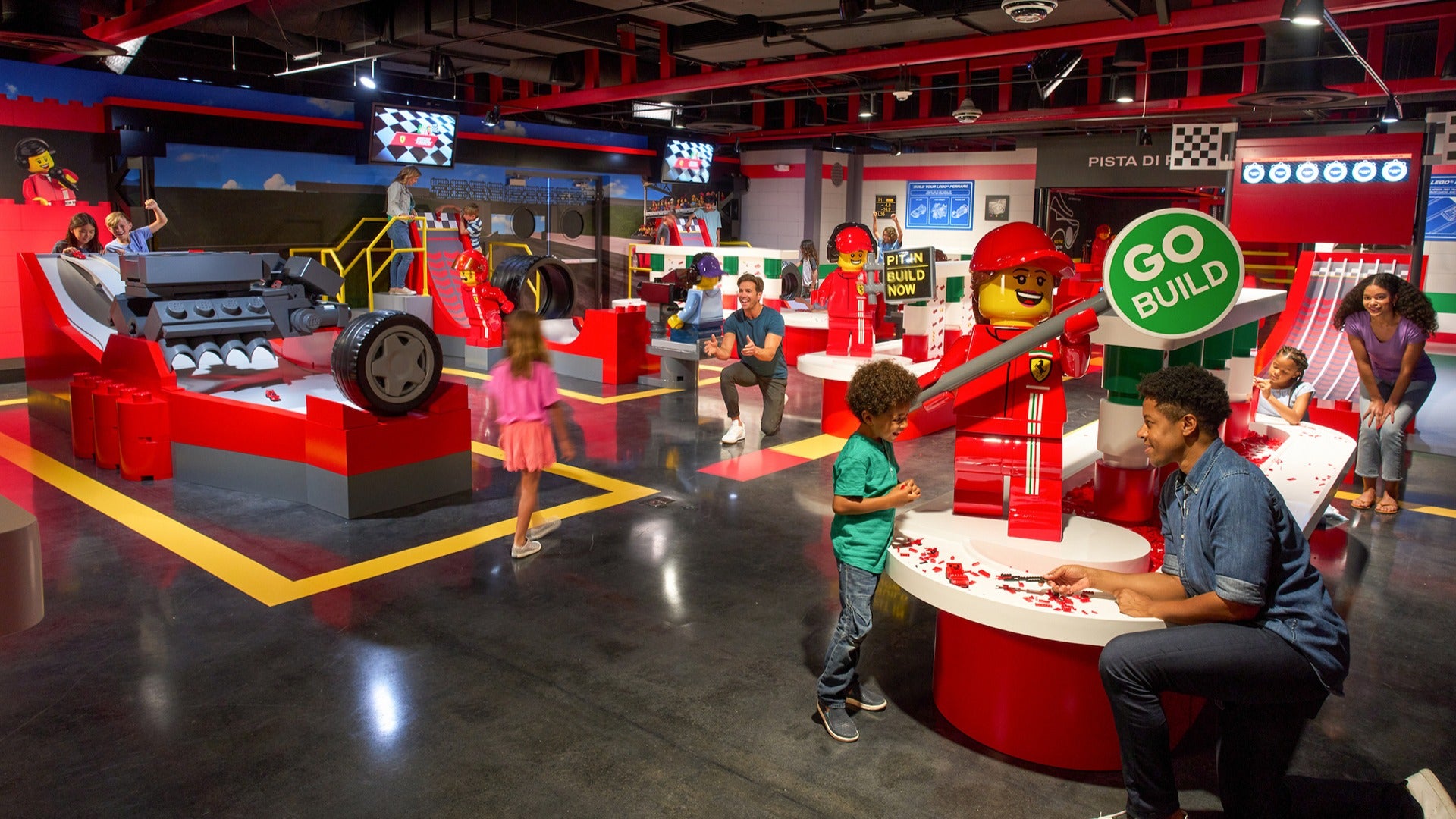
Rides: What Your Kid Can Actually Do (Without Tears or Regret)
This is where expectations meet reality in the most obvious way.
I’ll walk through what your child can realistically ride and enjoy without constant height restrictions or long waits getting in the way.
LEGOLAND Florida: “Yes, You Can Ride That” Energy All Day
At LEGOLAND, most rides are fair game even for a 3-year-old. That means fewer awkward moments at ride entrances and way more “again!” energy.
The rides, such as Coastersaurus, Driving School, and Lost Kingdom Adventure, are colorful, interactive, and just the right level of exciting without tipping into scary.
I’d expect your kid to stay engaged because they’re constantly participating, not waiting.
The Duplo areas and themed zones give them space to play, not just to queue. And when lines are typically 15–30 minutes, patience doesn’t become a battle.
It’s a smoother, happier ride experience across the board. Less convincing, more enjoyable.
Walt Disney World Resort: Amazing… With a Few Reality Checks
Walt Disney World® Resort has incredible rides for little kids, but access is more limited than people expect.
Dumbo the Flying Elephant® often has long wait times, and The Many Adventures of Winnie the Pooh® has sudden loud effects that may startle younger kids.
Fantasyland® Area is the main hub, and while it’s magical, wait times can easily stretch to 60 minutes or more.
The area, located just behind Cinderella Castle, is where most rides for younger kids are grouped together—so it gets crowded fast.
I’d also keep in mind that some “kid-friendly” rides are darker or louder than they look (a surprise many parents don’t love discovering in real time).
I’m talking about rides like Haunted Mansion®, Pirates of the Caribbean®, and even Peter Pan’s Flight®.
They are all technically kid-friendly, but with dark scenes, loud moments, or unexpected visuals that can catch younger kids off guard.
Scale, Pacing, and the Reality of a Full Day
Theme parks don’t just differ in what they offer—they differ in how the day actually feels.
Here’s how each park flows in real life, from walking distances to energy levels by the afternoon.
LEGOLAND Florida: Manageable, Predictable, and Actually Relaxing
LEGOLAND is the rare theme park where you don’t feel like you’re racing a clock. You can see most of it in a day or two without pushing anyone to their limit.
For most families, one full day is enough, with a second day only if you’re adding the water park or taking things extra slow.
I’d expect built-in breaks—playgrounds, water areas, and shaded spots that feel intentional.
The walking distance is reasonable, even with a stroller, and transitions between areas are quick. It’s the kind of place where plans can change without derailing the whole day.
That flexibility is huge with younger kids. You’re not managing a schedule—you’re just moving with them.
Walt Disney World Resort: The Marathon You Didn’t Realize You Signed Up For
A Walt Disney World Resort day starts before you even enter the park.
Parking, taking a tram or ferry, going through security, and walking to the entrance can take 30 to 45 minutes before your first ride even starts.
Inside, the scale is massive, and everything takes longer than expected. I’d say this is where parents start to feel the pressure of balancing naps, meals, and ride timing.
Add in app-checking, reservations, and logistics (like managing Lightning Lanes, mobile ordering food, and navigating between different areas of the park), and suddenly you’re multitasking all day. It’s doable, but it’s not effortless.
And for younger kids, that pace can be overwhelming. The magic is there—you just have to navigate more to get to it.

Kids Facilities and Food: The Stuff That Actually Saves Your Day
This is the part no one plans for, but it’s exactly what determines whether your day feels easy or like a slow unraveling by lunchtime.
I’ll walk through how each park handles the real-life needs: breaks, snacks, strollers, and those “we need a minute” moments.
LEGOLAND Florida: Compact Layout, Easy Breaks, and Kid-Friendly Grab-and-Go Food
LEGOLAND keeps everything simple, compact, and very parent-friendly in a way you immediately feel by mid-morning.
There’s one Baby Care Center in Duplo Valley with all the essentials like changing tables, nursing areas, and bottle warmers, and stroller rentals are available right at the front entrance near The Beginning area when you first walk in.
But honestly, the whole park kind of functions like a built-in break space thanks to playgrounds, shaded areas, and shorter walking distances.
Strollers are easy here. You’re not constantly parking and retrieving them, and most things are close enough that it doesn’t feel like a full operation just to grab snacks or take a break.
And when sensory overload starts creeping in, it’s easier to step away without fully exiting the action.
Food follows that same low-stress energy—quick, kid-friendly, and predictable.
You’ll find easy stops like Pizza & Pasta Buffet and Burger Kitchen near Fun Town, plus taco and chicken spots scattered throughout the park, so you’re never far from something familiar.
And yes, Granny’s Apple Fries near the front of the park are basically a required stop. They’re warm, cinnamon-sugar chaos in the best way.
It’s not fancy, but it works. And more importantly, it’s fast enough that hunger doesn’t spiral into a situation.
Walt Disney World Resort: Full-Service Facilities, Multiple Parks, and Wide Dining Variety
Walt Disney World Resort gives you more of everything, but that includes more logistics.
Each park has its own full Baby Care Center (like the one near the Crystal Palace in Magic Kingdom® Park), and they’re genuinely helpful when you need a quiet, air-conditioned reset with changing tables, feeding areas, and even backup supplies like diapers and formula.
Stroller-wise, rentals are available at the front of every park (expect to pay around $15–$30 per day, depending on single or double), but the scale changes the experience.
You’ll park strollers outside most attractions, walk more than expected, and quickly realize distance is part of the day, whether you planned for it or not. This is where pacing starts to matter more.
Quiet spaces exist, but you have to be intentional about finding them.
Baby Care Centers are your easiest go-to, along with calmer corners like Storybook Circus or near Gaston’s Tavern in Fantasyland® Area, when things start to feel like too much.
Food is where Disney really expands your options, but it helps to know where to go.
For easy, kid-friendly meals, spots like Cosmic Ray’s Starlight Café® (burgers and nuggets, lots of seating) and Columbia Harbour House® (quieter, with seafood and chicken options) in Magic Kingdom Park are reliable resets.
You’ve also got snacks everywhere—Dole Whip in Adventureland®, popcorn carts, ice cream stops—but the tradeoff is time and decision-making.
More options mean more lines, more choices, and more moments where you’re figuring out what’s next instead of just grabbing something and moving on.
Cost and Value (Where Your Budget Actually Goes Further)
Not all theme park days deliver the same return on what you spend.
Let’s break down where your money goes and which experience actually feels worth it for younger kids.
LEGOLAND Florida: Lower Cost, Higher “Actually Used” Value
LEGOLAND tickets are significantly cheaper than Walt Disney World Resort, and promotions like “Kids Go Free” stretch your budget even further.
I’d also factor in that your child will use more of what you’re paying for. Fewer restrictions, shorter lines, and less need for add-ons make the experience feel efficient.
The LEGOLAND Hotel adds another layer of value with kid-focused features like themed rooms and treasure hunts. It’s not just a place to sleep—it’s part of the experience.
And for younger kids, that matters more than you’d think. You’re paying less but getting more usable fun.
Walt Disney World Resort: Higher Cost, Higher Emotional Payoff
Walt Disney World Resort is expensive—there’s no way around it—but it delivers something LEGOLAND can’t replicate.
If your child lights up at the sight of Mickey or Cinderella, that emotional payoff is huge. I’d think of this as paying for moments, not just rides.
The value comes from connection, nostalgia, and those “this is it” experiences. But it does require more days (and more money) to feel complete.
Most families need at least 2 to 3 park days to feel like they’ve experienced Walt Disney World® Resort properly.
It’s worth it, but only if your child is ready for it. Otherwise, you’re paying premium prices for a partial experience.

The Walt Disney World Resort Case (When It’s Absolutely Worth It)
Walt Disney World Resort becomes worth it when your child already loves the characters and stories. That emotional recognition changes everything—it turns rides into experiences.
I’d recommend focusing on Magic Kingdom® Park and keeping the day intentionally short. Hit a few key rides, meet a character or two, and leave before exhaustion takes over.
You don’t need to “do it all” to make it meaningful. In fact, doing less often makes it better.
This is about quality, not coverage. Think highlights, not a checklist.
The Peppa Pig Factor (Yes, This Changes the Equation)
For kids ages 2–5, Peppa Pig Theme Park is almost unfairly perfect. Everything is built at their scale—rides, playgrounds, even the pacing.
I’d expect zero intimidation and maximum excitement. It’s bright, simple, and immediately engaging.
Pairing it with LEGOLAND creates a full day that feels custom-designed for toddlers. No overstimulation, no long waits, no confusion.
Just keep in mind that Peppa Pig Theme Park requires a separate ticket from LEGOLAND, even though they’re right next to each other.
You can experience most of Peppa Pig Theme Park in about 3 to 4 hours, which makes it easy to combine both parks in one day without overwhelming younger kids.
Just pure “this was made for me” energy. And honestly, that’s rare.
The Age-by-Age Framework (Because Age Changes Everything Fast)
Your child’s age is the single biggest factor in choosing the right park—and getting this right makes everything else fall into place.
- Ages 2–3: LEGOLAND Florida + Peppa Pig Theme Park is the easiest win. Disney can work, but it’s more for the parents than the child.
- Ages 4–6: LEGOLAND Florida is the sweet spot. Add one short Walt Disney World® Resort day if characters matter.
- Ages 7–9: This is the crossover phase. Both parks work, but Walt Disney World® Resort starts making more sense.
- Ages 10+: Walt Disney World Resort (and Universal) takes the lead. LEGOLAND becomes less compelling.
The Combined Trip (The Strategy That Actually Works)
If you’re trying to make both parks fit, it doesn’t have to feel chaotic. Here’s how to structure your days so everything flows and actually feels enjoyable.
A simple way to structure it: start with LEGOLAND on Day 1, then visit Walt Disney World Resort later in the trip once your kids are more comfortable with rides and wait times.
Starting with LEGOLAND gives kids a low-pressure introduction to theme parks.
They learn how rides, lines, and pacing work without the overwhelm—and it’s easily one of the best “first park ever” experiences for younger kids.
By the time you reach Walt Disney World Resort, they’re more prepared—and the day goes smoother, especially once they understand how rides, lines, and characters all come together.
I’d think of LEGOLAND as your “practice run” that doesn’t feel like practice. Then Disney becomes the grand finale.
It’s a one-two combination that just works. And it makes the entire trip feel more balanced.
If you’re deciding how long to spend, here’s the simplest breakdown: LEGOLAND Florida is typically a one-day park (two if you include the water park)l
Meanwhile, Walt Disney World Resort is a multi-day destination that most families explore over 2 to 4 days.
Also worth knowing: LEGOLAND Florida is about a 45–60 minute drive from Walt Disney World Resort, so planning transportation ahead makes this transition much easier.
The Right Choice Is the One That Fits Your Kid Right Now
For most families with younger kids, LEGOLAND Florida is the easier, happier first choice—it’s designed for them, and it shows.
Walt Disney World Resort becomes worth it when your child is ready to fully engage with the experience, not just endure it.
With Tripster’s vacation packages that combine Orlando attractions, shows, and hotels together, you can mix both in a way that actually makes sense for your family.
Plan smarter, match the park to your kid, and set yourself up for a trip that feels fun from start to finish!
LEGOLAND vs Walt Disney World Resort FAQs
What age is best for LEGOLAND Florida?
LEGOLAND Florida is best for kids ages 2–7, with the sweet spot around 4–6. Most rides and attractions are designed for this age group to fully enjoy.
Is Walt Disney World® Resort worth it for a 3-year-old?
Yes, but the experience is more limited compared to older kids. Focusing on shorter days and specific areas like Magic Kingdom® Park makes it more enjoyable.
Do younger kids enjoy Walt Disney World® Resort or LEGOLAND Florida more?
Most younger kids enjoy LEGOLAND Florida more because they can ride more attractions with fewer restrictions. Walt Disney World® Resort becomes more appealing as kids grow older and recognize characters.
How many days do you need at LEGOLAND Florida?
Most families can comfortably explore LEGOLAND Florida in one to two days. The smaller size makes it easier to see everything without rushing.
Is LEGOLAND Florida cheaper than Walt Disney World® Resort?
Yes, LEGOLAND Florida tickets are typically much cheaper than Walt Disney World® Resort tickets. This makes it a more budget-friendly option for families with young children.
Are there scary rides for kids at Walt Disney World® Resort?
Some rides may feel scary to younger kids due to dark scenes or loud effects. Attractions like Haunted Mansion and Pirates of the Caribbean can be surprising for sensitive children.
Can you do LEGOLAND Florida and Walt Disney World® Resort in one trip?
Yes, many families combine both parks in one trip since they are about 45 minutes apart. Starting with LEGOLAND Florida and ending with Walt Disney World® Resort is a popular strategy.
What makes LEGOLAND Florida different from Walt Disney World® Resort?
LEGOLAND Florida focuses on interactive play and younger children, while Walt Disney World® Resort offers a broader, more immersive experience for all ages. The difference mainly comes down to scale and target audience.
Is Peppa Pig Theme Park worth adding to LEGOLAND Florida?
Yes, Peppa Pig Theme Park is ideal for kids ages 2–5 and adds even more age-appropriate attractions. It pairs perfectly with LEGOLAND Florida for a full day designed for younger children.
