Historic Sites in Gatlinburg Tennessee: 12 Spots That’ll Make You Feel Like You Time-Traveled!
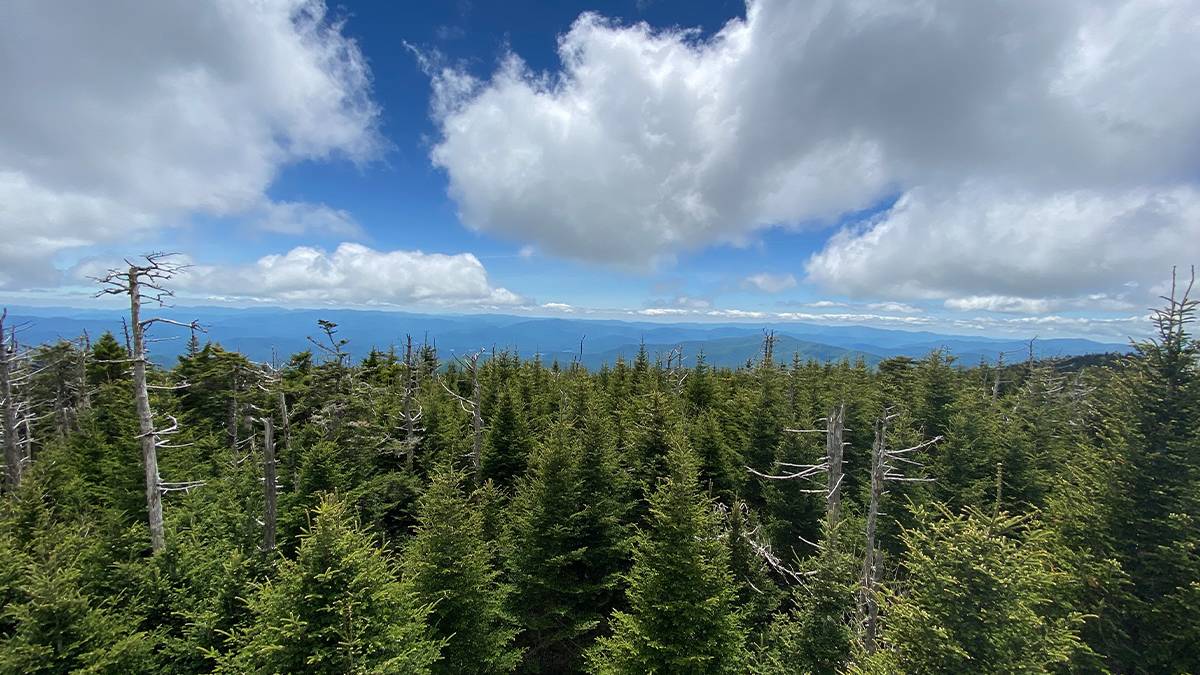
Some trips are for checking boxes—others are for slowing down, breathing in mountain air, and wandering through places that still whisper stories from the 1800s.
If the idea of scenic drives, log cabins, and real-deal Appalachian history makes your group chat light up, then it’s time to talk about historical sites in Gatlinburg Tennessee.
Between the cozy charm of downtown and the winding trails of the Great Smoky Mountains, you’ll find historic sites in Gatlinburg Tennessee that go way beyond what’s on the tourist brochures.
Think ghost towns, one-room schoolhouses, and cabins built by the very people who founded the town.
This isn’t a curated museum—it’s full-on immersive, “did someone just step out of a time machine?” energy. If you’re already calculating how much PTO you have left, keep reading—this is the getaway you didn’t know you needed!
Where You’ll Find History in and around Gatlinburg
Historic Ogle Cabin (Martha Jane Ogle Cabin)
Gatlinburg may be packed with attractions now, but it all started with one determined woman and a pile of hand-cut logs.
Tucked beside the Gatlinburg Welcome Center, the cabin built by wife Martha Jane Ogle in 1807 is more than just a photo op—it’s the literal foundation of the town.
This log cabin is the oldest surviving structure in Gatlinburg, and it’s still standing today, weathered and worn in the best way. It’s a quick stop with big pay-off: rustic vibes, a slice of frontier life, and a peek into early settler grit.
Inside, you’ll find simple furnishings and the kind of no-frills setup that makes you grateful for modern plumbing. Outside, you’ll realize just how wild it was to start a homestead in the Smokies without Google Maps or central heat.
Take a few moments to read the interpretive signs—they fill in the juicy details about the Ogle family’s journey from South Carolina to the mountains. History buffs and casual passersby alike will walk away saying, “Wait, she did all that?”
Gatlinburg History Museum
If you’re the kind of traveler who wants some context before diving into trail walks and heritage tours, the Gatlinburg History Museum is a no-brainer.
Located inside City Hall, this free, unassuming museum serves up decades of mountain life in bite-sized, fascinating pieces.
From vintage photos to exhibits on moonshining, logging, and local legends, it covers all the bases—including detailed nods to historic buildings throughout town.
You’ll get to geek out over black-and-white portraits of families who helped shape the community and tools that look like medieval torture devices but were actually used to build homes.
It’s the perfect first stop if you like your facts before your footpaths. Think of it as your cheat sheet to understanding what makes Gatlinburg more than just a touristy mountain town.
Since it’s located right near the Gatlinburg Welcome Center, it’s easy to swing by before heading deeper into the Smokies. Bonus: air conditioning and clean bathrooms.
Arrowmont School of Arts & Crafts
You might come to Gatlinburg for the views, but you’ll stay for the creativity once you see the Arrowmont School of Arts & Crafts in action. This place has been elevating Appalachian craftsmanship since the early 1900s—and yes, it started as a humble settlement school.
Today, the Arrowmont School of Arts & Crafts is a full-blown artist’s haven with workshops, studios, and a gallery that’ll make your Pinterest board feel inadequate.
It’s open to the public, so you can wander in and see pottery being thrown, textiles being woven, and wood being carved by people who make it look way too easy.
The campus itself is a mix of historic charm and modern workspace, blending the region’s craft roots with current design energy.
If you’ve ever considered dabbling in ceramics, jewelry-making, or just appreciate the art of handmade everything, this is your spot.
Most people don’t expect to find an internationally respected arts school tucked behind the Parkway, but here it is, thriving in the middle of it all. Come for the history, stay for the inspiration—and maybe sign up for a class while you’re at it.
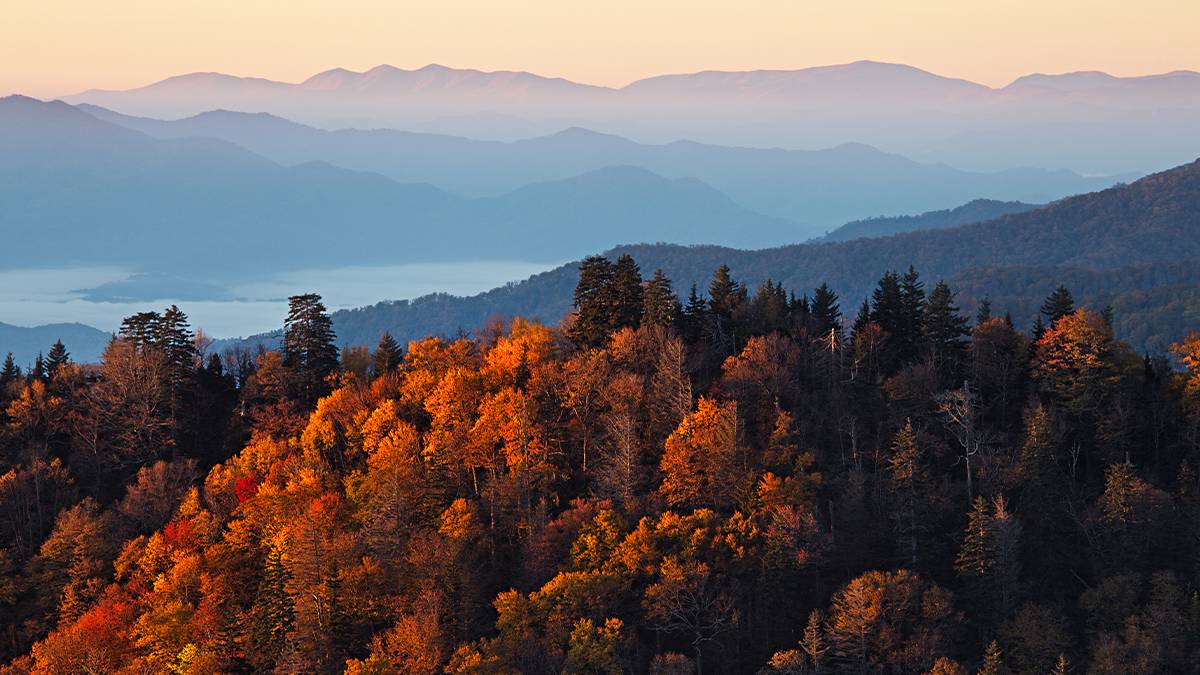
Great Smoky Arts & Crafts Community
Ready to wander through 8 miles of old-school creativity? That’s what you’ll get when you explore the Great Smoky Arts & Crafts Community, a loop of studios and galleries that feels part art crawl, part time warp.
Founded in the 1930s, the Great Smoky Arts & Crafts Community is the largest independent organization of artisans in the U.S.—and it’s still doing things the Appalachian way. From broom-makers and leatherworkers to quilters and carvers, it’s a living, breathing tribute to tradition.
The best part? You’re not just shopping—you’re seeing art made in real time, chatting with the artists, and maybe even trying your hand at it. It’s not staged, it’s not commercialized—it’s the exact opposite of a chain store experience.
Don’t rush it. This is the kind of place you linger with a cup of cider, talk storytelling with a woodturner, and maybe leave with a one-of-a-kind treasure. And yes, your GPS might lose signal out here—but trust us, it’s worth getting a little lost.
Where Your Smoky Mountain Hikes Come with a Side of the Past
Noah “Bud” Ogle Cabin
Hiking through Great Smoky Mountains National Park hits differently when you realize a full pioneer homestead is sitting right off the trail.
The Noah Bud Ogle Cabin gives you a front-row look at farm life in the late 1800s, complete with a tub mill and barn that make you wonder how anyone got anything done without power tools.
Step inside the cabin and you’ll immediately feel how tough mountain living really was—narrow rooms, hand-hewn logs, and a whole lot of “hope the weather behaves.”
Wander around the property and you’ll spot stonework, trails, and little details that make the Ogle family’s resilience feel almost unreal.
It’s an easy stop with a huge history payoff, especially if you love combining fresh air with a little time travel. Consider this your warm-up for a day of exploring the Smokies, because this cabin sets the tone perfectly.
Roaring Fork Motor Nature Trail
Nothing says “historic hike with zero stress” like the Roaring Fork Motor Nature Trail, a scenic 5.5-mile loop packed with old cabins, rushing streams, and photo spots that make your camera roll very happy.
Several families once lived along this route, and their preserved homesteads turn this drive into a slow-motion look at mountain life.
As you wind through the forest, you’ll pass grist mills, tumbling waterfalls, and structures that somehow survived seasons that would’ve flattened the average backyard shed.
It’s the kind of place where even non-history fans end up saying, “Wait, people actually lived out here?”
If you want someone else to handle the driving while you take in every detail, the Roaring Fork Smoky Mountains Tour by Open-Air Jeep delivers exactly that.
The guides know all the stories you didn’t even realize you wanted to hear—and yes, the open-air ride makes it even better.
Elkmont Historic District (Ghost Town)
There’s “old,” there’s “historic,” and then there’s Elkmont—where abandoned cabins, mossy roofs, and a once-bustling post office create some serious ghost-town energy.
The Elkmont Historic District blends logging-town grit with early resort-town glam, and walking through it feels like stepping onto a forgotten movie set.
Several of the preserved cottages belonged to members of the Appalachian Club, who came here for summer vacations long before theme parks and traffic lights existed.
Today, the area is quiet, eerie, and oddly beautiful—perfect for anyone who loves a mix of nature and nostalgia.
To see the best restored cabins and hear the stories that bring them to life, the Elkmont Ghost Town Pink Jeep Tour is the way to go. They handle the navigating, and you get to soak in every spooky, photo-worthy detail.
Walker Sisters Cabin
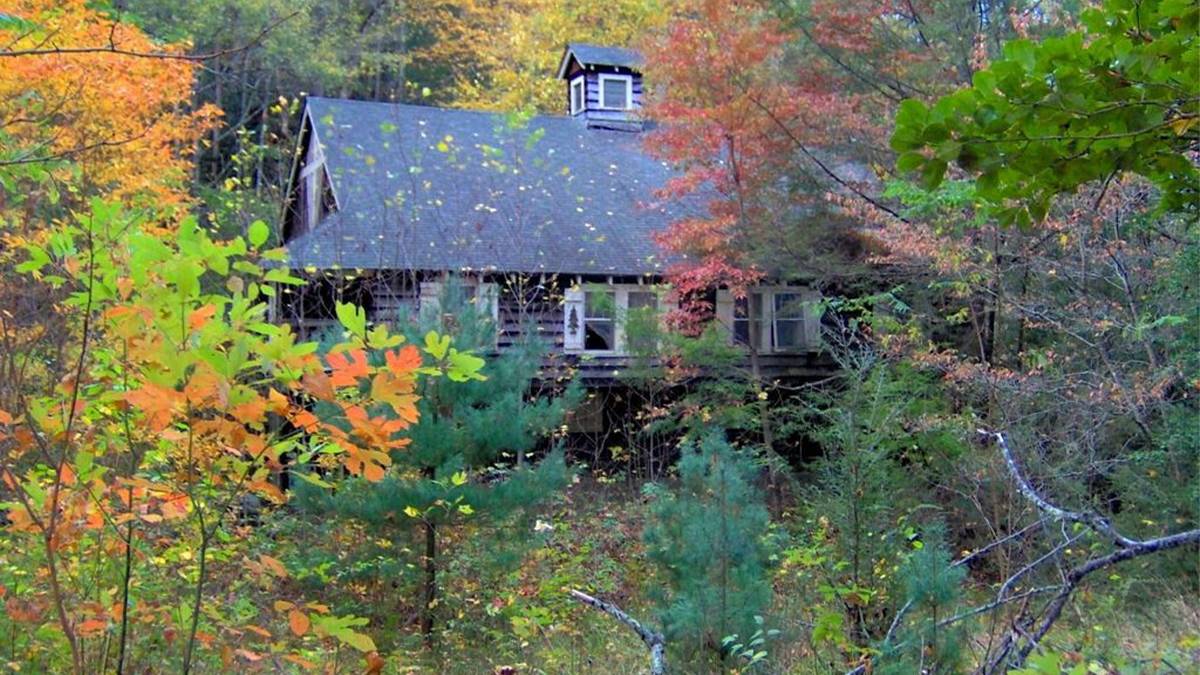
Deep in the Smoky Mountain woods, the Walker Sisters lived the kind of old-fashioned lifestyle most of us only see on TV reruns.
Their home—listed on the National Register of Historic Places and preserved by the National Park Service—is a true testament to five sisters who chose to keep their traditional way of life alive long after the world moved on.
Hiking to their cabin feels like uncovering a secret that’s been tucked into the hills for more than a century.
Once you arrive, the simplicity of the structure and the surrounding landscape make it easy to imagine what their quiet, self-sufficient days looked like.
With its mix of history, scenery, and just a pinch of mystery, this stop adds a whole layer of depth to any Smokies adventure. Bring good shoes and a charged phone—you’ll want both.
Little Greenbrier School
A short walk from Metcalf Bottoms leads you straight to Little Greenbrier School, a one-room building that doubled as both a classroom and church for local families.
Kids from all over the mountains once trekked through the woods just to sit at its wooden desks and learn their ABCs.
The school’s interior still holds its original charm—simple benches, tall windows, and the kind of quiet that makes you whisper even though no one’s teaching.
Outside, you’ll find the cemetery and surrounding trails that tie together the stories of early settlers who made this valley their home.
It’s an easy, meaningful stop that pairs perfectly with other historic sites nearby. Anyone who loves a mix of education, heritage, and low-effort hiking will adore it.
Where Your Quick Trip To Townsend Turns into a Walk Through History
Great Smoky Mountains Heritage Center
If you’ve made it to Townsend, congrats—you’ve officially escaped the traffic and stumbled into one of the most underrated stops for Smoky Mountain history.
The Great Smoky Mountains Heritage Center is like a greatest hits album of Appalachian life, with over a dozen preserved buildings and artifacts that tell the story of both early settlers and Native Americans in the region.
From a blacksmith shop to a frontier cabin to an old-timey outhouse (yes, really), everything here is set up so you can explore at your own pace. It’s part museum, part outdoor walking tour, and 100% worth your time.
Inside the galleries, you’ll find everything from handwoven baskets to antique tools that show how people actually did things before Amazon Prime.
Outside, the village setup makes it easy to imagine life back when “screen time” meant staring out your one and only window.
With kid-friendly exhibits, self-guided tours, and plenty of shade, it’s a practical, peaceful, and surprisingly rich way to connect with the region’s roots. No hiking boots required.
Cades Cove
For panoramic mountain views served with a generous side of history, Cades Cove is basically the crown jewel of the Smokies.
This valley was once home to a full-on pioneer community, and today, it’s an 11-mile loop through restored cabins, churches, and the kind of scenic beauty that makes you wish you brought a second phone battery.
Each stop along the loop reveals something different: rugged homesites, handmade fences, and signs that explain who lived where, when, and how they made it all work. It’s the perfect mix of roadside ease and cultural deep-dive.
You can bike it, hike it, or slowly roll through with your windows down and snacks in hand. Either way, you’ll walk away with a deeper appreciation for the people who built lives here long before tourists showed up with coolers and GoPros.
To make the experience even easier (and way more fun), hop on the Cades Cove Tour in an Open-Air Jeep. You’ll get the stories, the shortcuts, and the best photo stops without stressing over where to pull over.
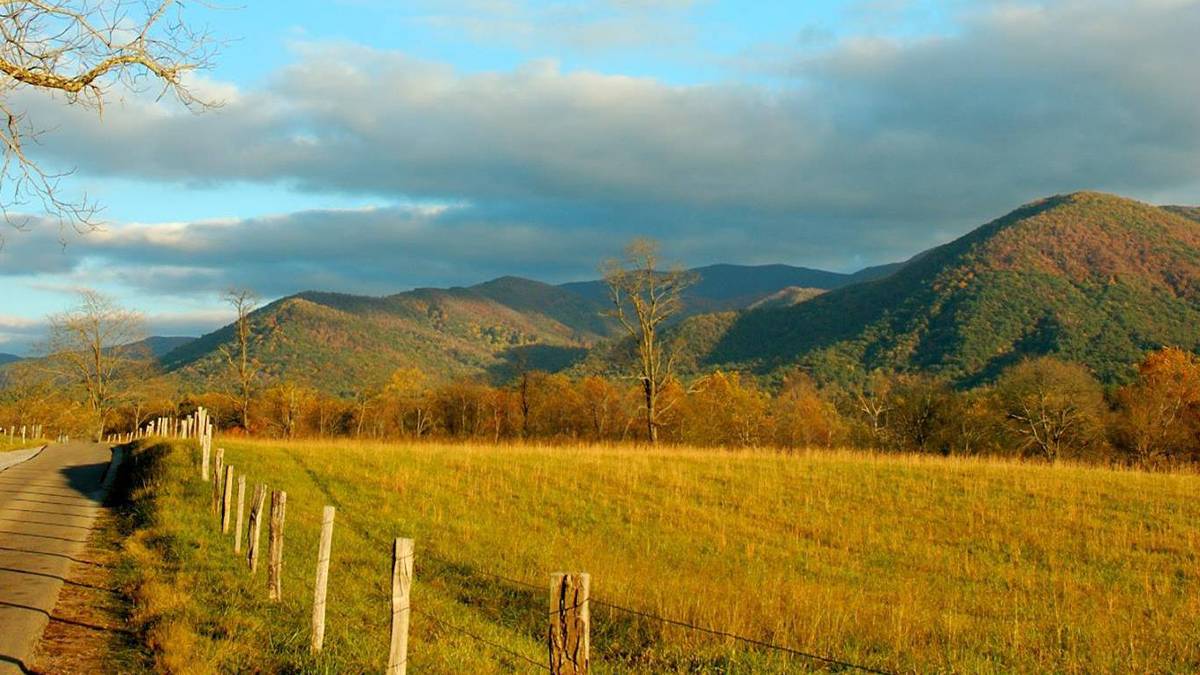
Cades Cove Historical Grist Mill
Tucked inside the Cades Cove loop, the Cades Cove Historical Grist Mill is a working, water-powered mill that still grinds corn the old-school way.
Built in the 1870s, it’s a standout spot not just because of the craftsmanship, but because it still functions—like, you can actually see it in action.
Stepping inside, you’ll catch the cool scent of aged wood, hear the rumble of the turning wheel, and maybe spot a ranger or volunteer explaining how flour used to be a full-body workout. The structure sits beside a creek, surrounded by other historic buildings that feel more like a living museum than a tourist trap.
Even if you’re not a history buff, it’s hard not to be impressed by how solid and smartly built this thing is. Spoiler: no electricity, no shortcuts, and definitely no QR codes.
It’s a slower pace, but that’s part of the charm—this is how you unplug and reconnect with the ingenuity of the past. And yes, it’s completely free to explore.
Which Historic Stop Are You Visiting First?
Whether you’re in it for the log cabins, the ghost towns, or the one-room schoolhouses that still feel oddly familiar, it’s clear that historical sites in Gatlinburg Tennessee are anything but boring.
Each one gives you a chance to step out of your routine and into a story that’s still standing (literally) in the Smoky Mountains.
If your wheels are already turning, it’s time to start planning. You can score serious savings and simplify your trip by bundling Gatlinburg attractions, shows, and hotels into vacation packages through Tripster.
From interactive museums to mountaintop views, these historic sites in Gatlinburg Tennessee deserve a spot on every itinerary. And with Tripster, you can skip the stress and go straight to the good stuff.
Start planning now and make this the trip where history comes to life!
What Are The Historical Sites in Gatlinburg Tennessee FAQs?
Can I drive to most of these historic sites, or do I have to hike?
Several sites are accessible by car, including the Roaring Fork Motor Nature Trail and Cades Cove Loop. Others, like Walker Sisters Cabin and Little Greenbrier School, require short, easy-to-moderate hikes.
What’s the best time of year to visit these historic spots?
Spring and fall offer the best mix of pleasant weather, lighter crowds, and stunning scenery. Summer is popular but can be crowded, while winter may bring limited access due to road closures.
Is there a tour I can take if I don’t want to explore on my own?
Yes—guided experiences like the Roaring Fork and Elkmont Ghost Town Jeep Tours are a great option. These allow you to explore multiple historic sites in Gatlinburg Tennessee with added context from local experts.
Are any of the sites family-friendly or good for kids?
Absolutely—places like the Heritage Center, Cades Cove, and the Ogle Cabin are perfect for families. They offer easy walking paths, interesting visuals, and hands-on learning opportunities.
How much time should I set aside to explore Cades Cove?
Plan at least 2–4 hours to enjoy the 11-mile loop and its historic buildings at a relaxed pace. If you’re visiting during peak season, give yourself extra time for traffic and wildlife sightings.
Is parking available at these sites?
Most major sites, including those along Roaring Fork and at Cades Cove, have designated parking areas. However, they can fill up fast during peak hours, so arriving early is recommended.
Do I need a pass to access Great Smoky Mountains National Park?
Yes, you’ll need a valid parking tag to leave your vehicle in any park area. Daily, weekly, and annual passes are available and can be purchased online or at visitor centers.
Are pets allowed at any of the historical sites?
Pets are allowed in certain areas like Cades Cove (on paved roads), but they are generally not permitted on most trails or inside buildings. Always check National Park Service guidelines before bringing your furry friends along.
Can I include these historical stops in my vacation packages through Tripster?
While many historic sites are free or self-guided, Tripster offers vacation packages that include nearby Gatlinburg attractions, shows, and hotels. You can build a custom itinerary with both paid and free experiences to maximize your time and budget.
